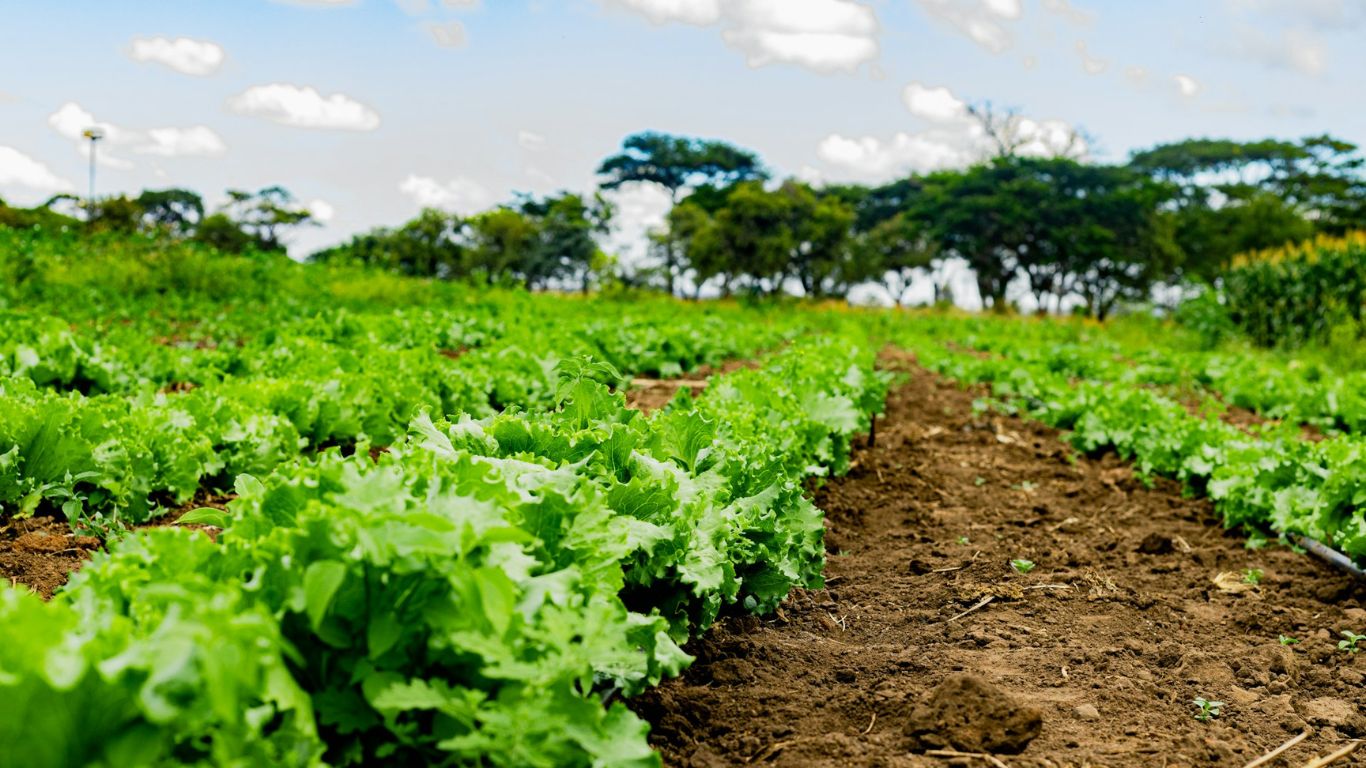
For centuries, farmers have cultivated the land using time-tested methods passed down through generations. This ancient wisdom—rooted in observation, patience, and respect for nature—holds invaluable lessons for modern agriculture. At Joles Farm, we believe the future of farming lies not in abandoning these traditional practices, but in harmoniously blending them with contemporary innovations to create sustainable, productive farming systems.
Our farms in Athi River and Kibos exemplify this synergy. We've carefully studied indigenous Kenyan farming techniques and combined them with science-backed modern methods to maximize yields while preserving soil health, conserving water, and maintaining biodiversity. This integrated approach ensures that we produce abundant, nutritious crops without compromising the land for future generations.
The wisdom of our ancestors teaches us that the earth is not merely a resource to exploit, but a living system to nurture. When we honor traditional knowledge while embracing modern efficiency, we create farming practices that are both productive and sustainable.
Ancient Practices That Still Work Today
Crop rotation, one of the oldest agricultural practices, remains among the most effective methods for maintaining soil fertility and controlling pests. Our ancestors understood that planting the same crop repeatedly in one location depletes specific nutrients and encourages pest populations. At Joles Farm, we practice systematic crop rotation, alternating between nitrogen-fixing legumes, nutrient-demanding vegetables, and soil-enriching cover crops across our fields in Athi River.
Companion planting is another traditional technique we've embraced wholeheartedly. By grouping certain plants together—such as maize with beans and squash, known as the "Three Sisters" method—we create mutually beneficial relationships. The maize provides support for climbing beans, the beans fix nitrogen in the soil, and the squash leaves provide ground cover that retains moisture and suppresses weeds. This indigenous wisdom demonstrates sophisticated understanding of plant ecology that modern science continues to validate.
Modern Technology Enhancing Traditional Methods
While traditional farming knowledge forms our foundation, we enhance it with modern innovations that increase efficiency and precision. Drip irrigation systems, for example, deliver water directly to plant roots with minimal waste—a technological solution that honors the traditional principle of water conservation that Kenyan farmers have always practiced during dry seasons.
- Soil Testing Technology Helps Us Apply Natural Fertilizers More Precisely Based on Actual Nutrient Needs
- Weather Monitoring Systems Inform Planting Schedules, Enhancing Traditional Seasonal Knowledge
- Greenhouse Technology Extends Growing Seasons While Using Organic Growing Methods
- Mobile Apps Connect Farmers with Markets, Improving Traditional Cooperative Systems
- Solar-Powered Equipment Reduces Environmental Impact While Increasing Farm Efficiency
Natural Fertilizers: Timeless Wisdom, Modern Application
Traditional farmers have always understood the value of returning organic matter to the soil. Composting, green manuring, and the use of animal manure were standard practices long before synthetic fertilizers existed. At Joles Farm, we've refined these ancient techniques using modern composting science to produce nutrient-rich organic fertilizer that feeds our crops and builds soil structure.
Our composting system combines kitchen waste, crop residues, and animal manure in carefully managed piles where temperature and moisture are monitored to optimize decomposition. This scientific approach to an age-old practice produces superior compost in less time, allowing us to maintain soil fertility across all our growing areas without any synthetic inputs.
Seasonal Planting and Indigenous Knowledge
Traditional Kenyan farmers developed sophisticated understanding of seasonal patterns, planting calendars, and weather indicators over countless generations. Elders could predict rainfall by observing bird behavior, insect activity, and plant phenology. While we now have meteorological data and satellite forecasts, this traditional knowledge remains remarkably accurate and provides valuable backup when technology fails.
At our Athi River and Kibos locations, we consult both traditional planting calendars and modern climate models to determine optimal planting times. This dual approach helps us navigate increasingly unpredictable weather patterns caused by climate change, combining the resilience of indigenous knowledge with the precision of contemporary science.
Biodiversity: The Traditional Farm's Greatest Strength
Traditional farms were never monocultures. They featured diverse crops, livestock, trees, and wild plants creating resilient ecosystems that withstood pests, diseases, and climate variability. Modern industrial agriculture abandoned this diversity in pursuit of efficiency, often at great environmental cost. At Joles Farm, we've returned to the traditional model of diversification, growing multiple crop varieties alongside fruit trees, herbs, and flowers that attract beneficial insects.
This biodiversity serves multiple purposes: it provides various income streams, ensures food security even when one crop fails, builds healthy soil ecosystems, attracts pollinators, and creates natural pest control systems. The traditional wisdom of "not putting all your eggs in one basket" proves as relevant today as ever.
Preserving and Sharing Agricultural Heritage
At Joles Farm, we're committed to preserving indigenous farming knowledge for future generations. We regularly consult with elders in our communities, document traditional practices, and train young farmers in both heritage techniques and modern innovations. This intergenerational knowledge transfer ensures that valuable wisdom isn't lost to time.
The marriage of traditional farming wisdom with modern agricultural science represents the most promising path forward for sustainable food production in Kenya and beyond. By honoring the knowledge of our ancestors while embracing beneficial innovations, we create farming systems that are productive, environmentally sound, and culturally grounded. Visit Joles Farm to see how we're putting these principles into practice, growing food that nourishes both people and the planet.