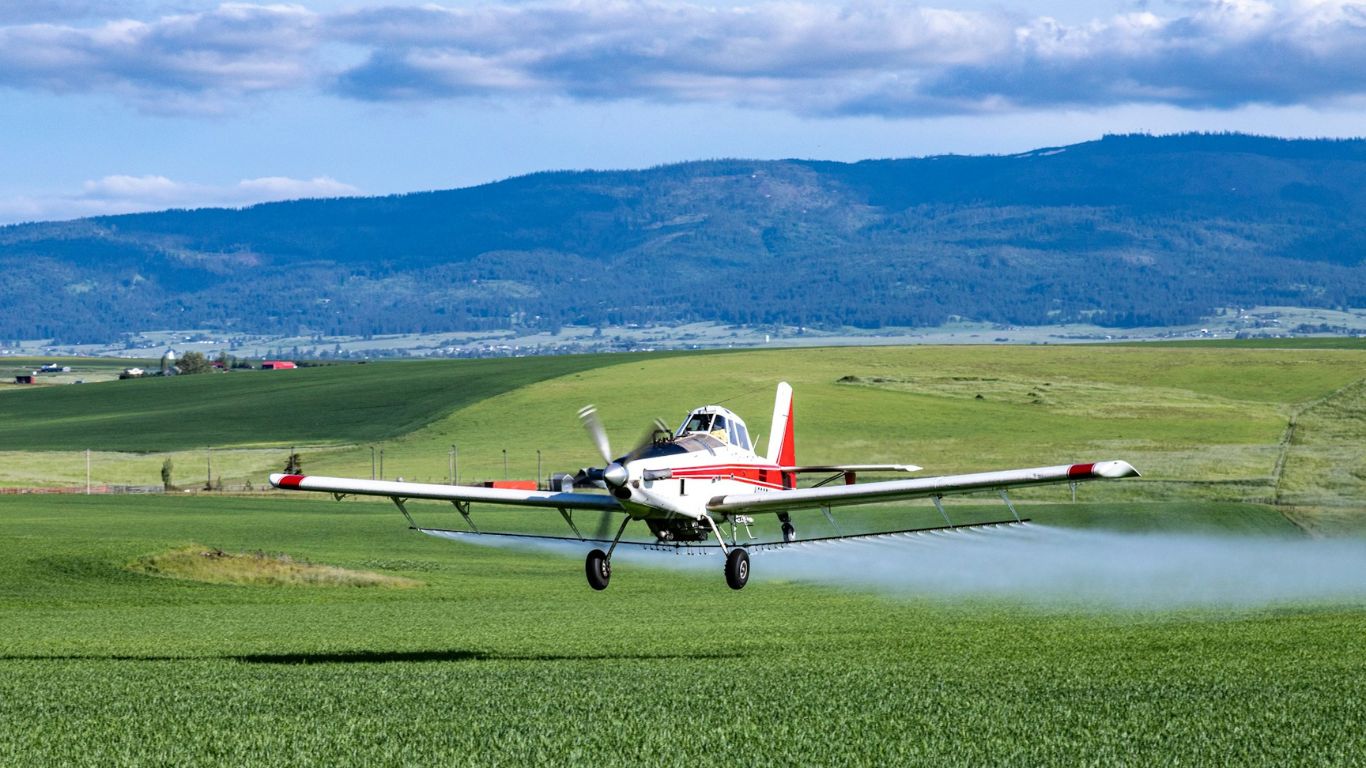
Pest management is one of the greatest challenges farmers face, but the solution doesn't have to involve harmful chemicals that poison our soil, water, and food. At Joles Farm, we've proven that natural pest control methods can effectively protect crops while preserving the delicate balance of farm ecosystems. Our organic approach safeguards biodiversity, protects beneficial insects, and ensures that the produce reaching your table is completely free from pesticide residues.
Across our farms in Athi River and Kibos, we employ a comprehensive integrated pest management strategy that works with nature rather than against it. This holistic approach combines multiple techniques—from companion planting to beneficial insect habitats—creating resilient growing systems where pest problems are minimized naturally without any synthetic pesticides.
Nature has perfected pest control over millions of years through predator-prey relationships and plant defense mechanisms. When we observe and support these natural systems rather than disrupting them with chemicals, we create farms that are healthier, more productive, and truly sustainable.
Companion Planting: Nature's Pest Repellent
Companion planting is perhaps our most powerful natural pest control tool. Certain plants naturally repel specific pests through their scent, root secretions, or physical characteristics. At Joles Farm, we strategically interplant crops to maximize these protective benefits. For example, we grow marigolds throughout our vegetable beds—their pungent aroma deters aphids, whiteflies, and other common garden pests while attracting beneficial predatory insects.
Aromatic herbs like basil, rosemary, and thyme planted among vegetables confuse and repel many insect pests. We've found that planting basil near tomatoes not only improves tomato flavor but also helps deter tomato hornworms and aphids. Similarly, our onions and garlic planted alongside lettuce and cabbage help prevent aphid infestations while improving overall vegetable health through their natural antifungal properties.
Beneficial Insects: Our Tiny Farm Workforce
Every healthy farm ecosystem includes beneficial insects that naturally control pest populations. Ladybugs, lacewings, parasitic wasps, ground beetles, and predatory mites are just a few of the helpful insects we actively encourage at Joles Farm. A single ladybug can consume up to 5,000 aphids in its lifetime, making these spotted beetles more effective than any pesticide spray.
- Planting Diverse Flowering Plants Provides Nectar and Pollen for Beneficial Insects
- Creating Insect Hotels and Habitat Zones Gives Predatory Insects Places to Shelter and Breed
- Maintaining Year-Round Flower Blooms Keeps Beneficial Populations Stable Throughout Seasons
- Avoiding All Pesticides Protects These Helpful Insects from Accidental Harm
- Leaving Some Wild Areas Undisturbed Provides Natural Refuges for Beneficial Species
We maintain flowering borders around all our growing areas specifically to attract and sustain beneficial insect populations. Plants like yarrow, fennel, dill, and sweet alyssum provide the nectar and pollen that adult beneficial insects need, ensuring they remain on our farm to control pest populations naturally.
Organic Sprays and Natural Deterrents
When pest pressure requires direct intervention, we use only organic-approved natural substances that break down quickly and leave no harmful residues. Neem oil, derived from the neem tree, is one of our most valuable tools. This natural pesticide disrupts the life cycle of many insects while remaining safe for beneficial insects, birds, and humans. We apply neem oil spray to affected plants in the early morning or evening, targeting specific pest outbreaks rather than blanket-spraying entire fields.
Homemade garlic and chili pepper sprays work wonderfully as pest deterrents. We prepare these by steeping crushed garlic cloves or hot peppers in water, then straining and diluting the mixture for foliar application. The strong smell and taste repel many chewing insects without harming plants or beneficial organisms. Soap sprays made from pure, biodegradable castile soap effectively control soft-bodied insects like aphids and whiteflies by breaking down their protective coatings.
Crop Rotation and Pest Life Cycle Disruption
Many pests specialize in particular plant families and overwinter in soil where their host plants grew. By rotating crop families to different locations each season, we break pest reproduction cycles and prevent population buildup. At Joles Farm, we follow a systematic four-year rotation plan, ensuring that plants from the same family don't occupy the same ground more than once every four years.
This rotation strategy has dramatically reduced pest and disease problems in our fields. For instance, rotating tomatoes, peppers, and other nightshade family crops prevents soil-dwelling pests like root-knot nematodes from establishing large populations. Similarly, moving our brassicas (cabbage, kale, broccoli) prevents cabbage root flies and clubroot disease from building up in the soil.
Physical Barriers and Row Covers
Sometimes the simplest solutions are the most effective. We use lightweight floating row covers over susceptible crops during vulnerable growth stages, creating a physical barrier that prevents flying insects from laying eggs on plants. These breathable fabrics allow sunlight, air, and water through while excluding pests like cabbage moths, carrot flies, and bean beetles.
For larger pests like birds and rodents, we employ netting, fencing, and strategic planting. Our berry patches are protected with bird netting during fruiting season, and we use chicken wire barriers to protect young seedlings from rabbits and other browsing animals. These physical controls cause zero environmental impact and require no ongoing inputs once installed.
Healthy Soil Equals Pest-Resistant Plants
Perhaps our most important pest control strategy is maintaining soil health through organic matter additions, composting, and minimal disturbance. Plants growing in nutrient-rich, biologically active soil develop strong immune systems and natural pest resistance. They produce higher levels of defensive compounds and recover more quickly from pest damage compared to plants growing in depleted, chemically-treated soil.
We regularly apply compost and organic mulches to our growing beds, feeding soil microorganisms that in turn support plant health. This living soil ecosystem creates conditions unfavorable to many pests and diseases while promoting vigorous plant growth that can withstand moderate pest pressure without significant yield loss.
Monitoring and Early Intervention
Successful natural pest control requires vigilance. Our farm team walks through all growing areas daily, observing plants for early signs of pest activity. This regular monitoring allows us to identify problems when they're small and easily managed, long before they become crop-threatening infestations. Early detection means we can often control pests by simply removing affected leaves or handpicking insects, avoiding even organic sprays.
At Joles Farm, natural pest control isn't just an alternative to chemical pesticides—it's a superior approach that protects crop yields while preserving the environmental health essential for long-term agricultural sustainability. By working with nature's systems rather than against them, we grow abundant, healthy produce that's safe for your family and the ecosystem. Experience the difference that truly natural farming makes—visit our farm or order our pesticide-free produce delivered fresh to your home in Athi River and beyond.